
Gambling motifs in literature and film Narratives of chance and fate
The Allure of Risk in Literature
Gambling motifs have a rich history in literature, often serving as powerful symbols of risk and the human condition. Authors frequently use gambling to explore themes of chance, fate, and moral ambiguity. For instance, in Fyodor Dostoevsky’s “The Gambler,” the protagonist’s obsession with roulette encapsulates the tension between free will and destiny. The act of gambling becomes a lens through which we can examine the struggles of addiction and the human psyche, reflecting deeper societal issues. Alongside this, online platforms like crown155-casino.org have expanded the reach of these themes into the digital landscape.
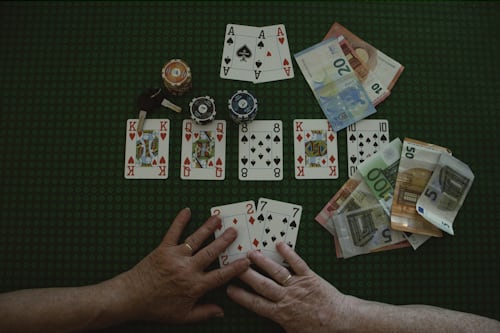
Moreover, in modern narratives, gambling often intertwines with personal stakes, such as love and ambition. Writers like Ian Fleming in the James Bond series illustrate how games of chance can serve as a backdrop for larger conflicts. The stakes are not merely financial but also emotional, highlighting how luck can shift the course of lives in unpredictable ways. This duality enriches the narrative, making readers ponder their own relationships with risk and reward.
Cinematic Representations of Chance
In film, gambling motifs take on a visual and auditory grandeur that amplifies their narrative significance. Movies like “Casino Royale” and “The Hangover” leverage high-stakes gambling scenes to create tension and excitement, making chance palpable for the audience. The visual representation of cards, chips, and the spinning roulette wheel captures the adrenaline rush associated with risk, while also propelling character development and plot progression.
Furthermore, films often illustrate the darker sides of gambling, exposing the consequences of obsession and the impact of fate. In “Rounders,” for instance, the protagonist’s journey through the underground poker world reveals how chance can lead to both triumph and disaster. Through the lens of film, audiences are invited to grapple with the complexities of gambling and its inevitable ties to human behavior and fate.
Gambling as a Metaphor for Life
Gambling motifs extend beyond their literal meanings, often serving as metaphors for larger existential themes. The randomness of life is mirrored in the unpredictability of games, suggesting that we are all players in a game of chance. Works like “The Dice Man” by Luke Rhinehart delve into this philosophy, where the act of rolling dice becomes a method for making life choices. This illustrates how gambling can symbolize the struggle for agency in an unpredictable world.
The intersection of chance and fate in literature and film prompts audiences to reflect on their own choices. The narratives often depict characters who gamble not just with money, but with their futures, relationships, and identities. By framing life as a series of bets, these stories encourage viewers to consider how much control they truly have over their destinies.
The Ethics of Gambling Narratives
Gambling motifs raise ethical questions that are intricately woven into their narratives. Many stories explore the moral dilemmas associated with betting, such as the impact on family, friendships, and societal norms. The struggle between winning and losing can reveal deeper truths about character, integrity, and the human experience. In “The Hustler,” the protagonist navigates a world of moral ambiguity where the lines between right and wrong blur under the pressure of high stakes.
This ethical complexity invites audiences to engage in critical discussions about gambling’s societal implications. Films and literature may critique the glamorization of gambling, prompting reflections on addiction and its far-reaching consequences. As narratives unfold, they serve as cautionary tales that highlight the duality of chance: the thrill of victory often comes at a significant cost.

Exploring Gambling Through Digital Experiences
The digital age has transformed the landscape of gambling, offering new platforms for exploration in literature and film. Websites dedicated to online gaming present opportunities for narratives to evolve and expand. These platforms not only host a plethora of games but also embody the themes of chance and fate that permeate storytelling.
As audiences engage with these digital experiences, they find themselves immersed in a world where the motifs of gambling are brought to life in real-time. The interactive nature of online gaming allows users to grapple with their own relationship to chance, blurring the lines between fiction and reality. This merging of narratives with digital experiences continues to evolve, enriching the discourse around gambling in contemporary culture.